Skip to content
Contact & Community
📍 Metro Manila, Philippines
🌐 robimotoph.com
✉️ hello@robimotoph.com
📱 +63 917 517 0594
📍 Metro Manila, Philippines
🌐 robimotoph.com
✉️ hello@robimotoph.com
📱 +63 917 517 0594

Maintenance & DIY Tips provides practical motorcycle maintenance guides for Filipino riders.
Topics include preventive maintenance, troubleshooting, battery care, brake servicing, chain maintenance, electrical issues, and long-term ownership strategies. Designed for riders who prioritize reliability, safety, and mechanical awareness.
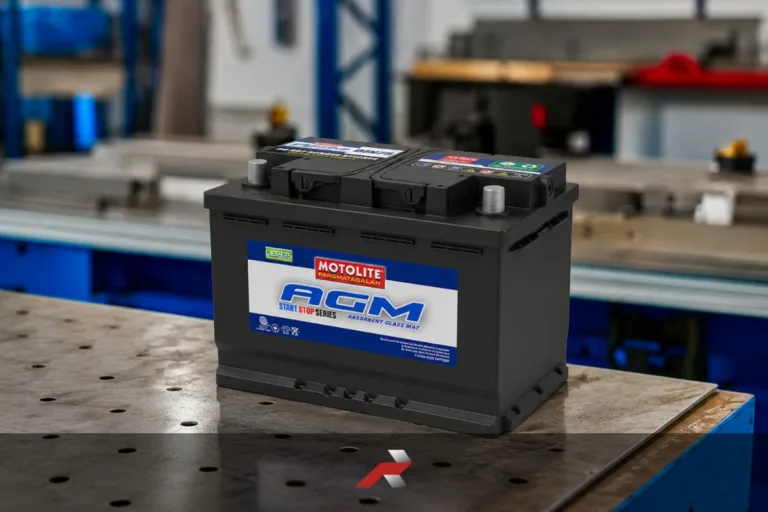
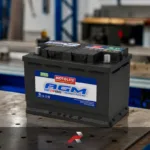
AGM battery vs conventional battery Philippines helps Filipino riders choose between lower maintenance, lower upfront cost, and daily reliability. AGM batteries are usually better for riders who want a sealed, spill-resistant option that handles vibration, traffic, rain, and frequent starts with less upkeep. Conventional batteries remain practical for budget-conscious riders, especially on simpler motorcycles, but they need proper upright installation and more regular checking. For daily commuters, weekend riders, and motorcycles with accessories like auxiliary lights or USB chargers, the better choice depends on usage, charging health, parking habits, and how much maintenance the rider is willing to manage.
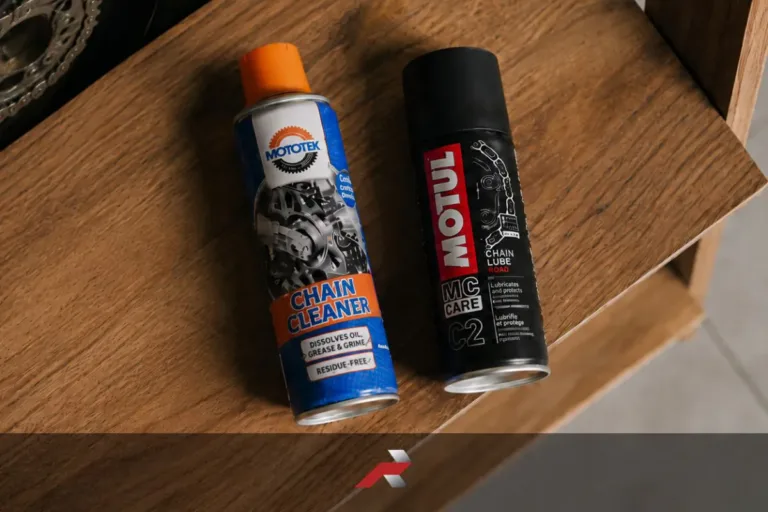
Choosing the best chain cleaner and chain lube in the Philippines is not about finding the most expensive spray. It is about matching the product to your riding conditions, cleaning habits, and chain type. Daily riders deal with traffic dust, sudden rain, outdoor parking, and old lube buildup. This guide explains when to use a cleaner, when to apply lube, and why both products should work as one routine. It also connects practical choices to RobiMotoPH’s Mototek Chain Cleaner, D.I.D Chain Cleaner, and Motul C2 Chain Lube reviews for riders who want a simple maintenance path before buying online with less guesswork.
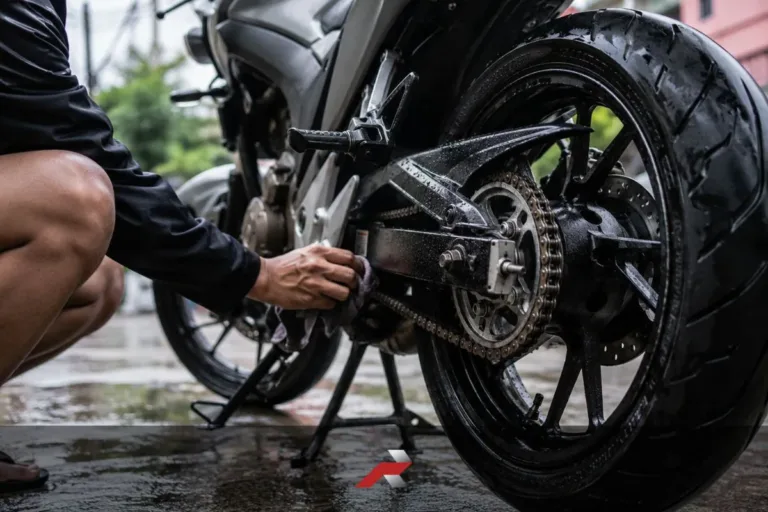
Motorcycle chain maintenance tropical climate habits are different from basic chain care because Filipino riders face heat, humidity, sudden rain, traffic grime, wet roads, and outdoor parking almost year-round. This guide explains how daily riders can protect their chain, reduce rust, prevent premature sprocket wear, and avoid unnecessary gastos through inspection, cleaning, lubrication, and proper timing. It also shows when to clean after rain, when to relube after city traffic, and when warning signs like noise, tight spots, or jerky throttle response should no longer be ignored during everyday Philippine motorcycle ownership and maintenance discipline routines.
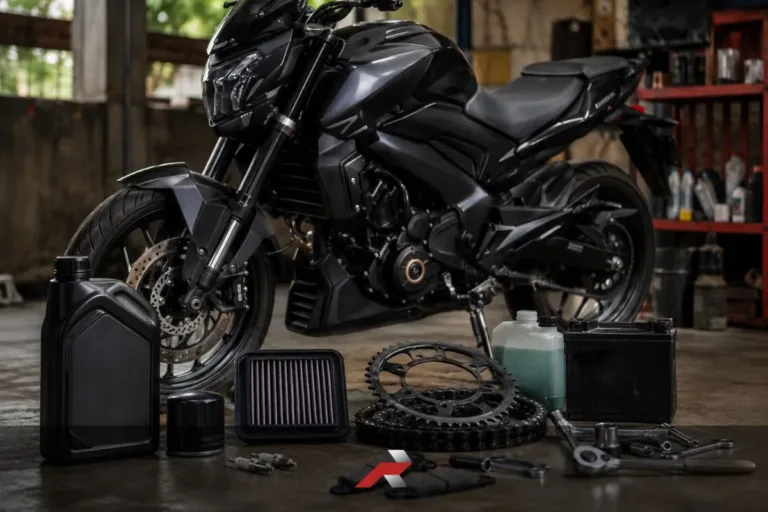
This Dominar maintenance parts list helps Filipino riders understand the common wear items, PMS parts, and safety checks needed for real-world ownership. It covers engine oil, oil filter, air filter, spark plugs, chain, sprocket, brake pads, battery, coolant, tires, brake fluid, and basic electrical checks. Built around Philippine riding conditions, this guide focuses on traffic, rain, heat, gastos, and long-term reliability. It is not a mechanic’s manual. It is an owner’s checklist for riders who want to avoid surprise repairs and maintain their Dominar 400 with better discipline.

Spark plug replacement on the Dominar 400 is not only about upgrading to iridium. It is about keeping the bike reliable during daily commutes, rainy starts, traffic heat, and long ownership. This guide explains the estimated cost, common symptoms, labor considerations, and when riders should replace the plugs before hard starting becomes a bigger problem. It also connects spark plug maintenance with battery health, engine behavior, and real Philippine riding conditions.
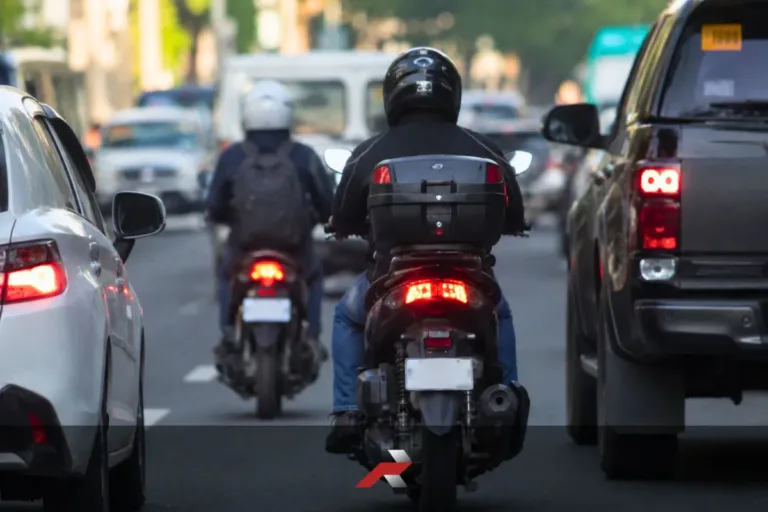
A loose motorcycle plate may start as a small rattle, but it can become annoying during daily riding. In the Philippines, rough roads, potholes, rain, and traffic vibration can slowly affect plate bolts, washers, brackets, and mounting points. This guide explains why motorcycle plates become loose, what riders may notice first, and how simple inspection habits can help prevent bigger issues. It is written for daily commuters, weekend riders, and big bike owners who want a cleaner and more secure plate setup without pretending to diagnose every rear-end noise like a repair shop.
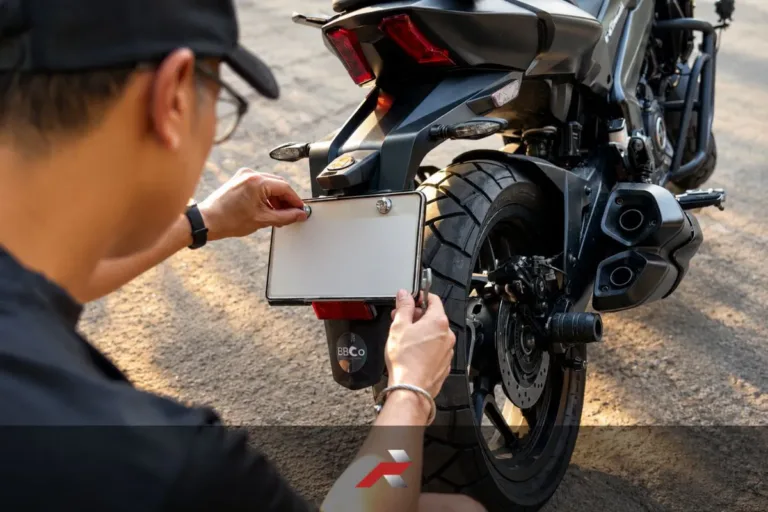
Motorcycle backplate protectors are support accessories placed behind the motorcycle plate to help improve stability during daily riding. In the Philippines, riders deal with rough roads, rain, traffic vibration, and regular washing, which may affect plate mounting over time. This guide explains what backplate protectors do, how they differ from plate covers, why acrylic placement matters, and what riders should check before using one. It is written for daily riders, weekend riders, and big bike owners who want a cleaner and more secure plate setup without ignoring visibility, maintenance, and responsible ownership.
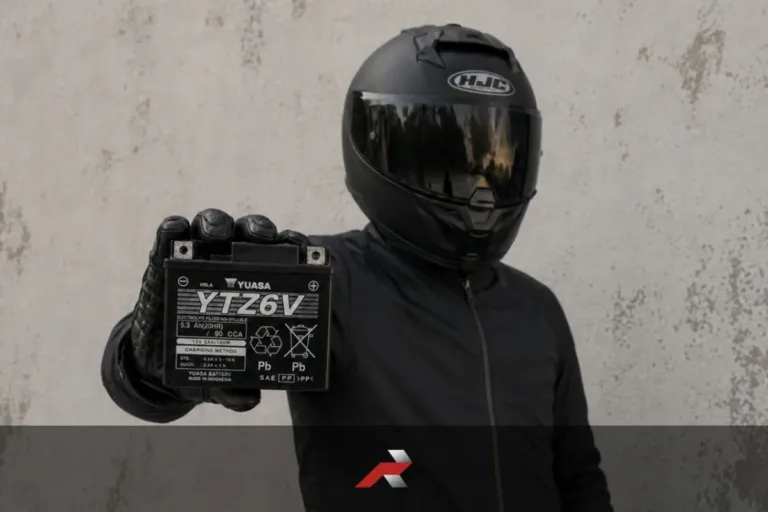
A Yuasa motorcycle battery is often viewed as a premium choice for riders who value reliable starting, correct fitment, and long-term ownership confidence. For Filipino riders, the question is not only whether Yuasa is good. The better question is whether it fits your motorcycle, riding pattern, budget, and local support options. This guide explains when Yuasa makes sense for daily riders, big bike owners, weekend users, and motorcycles with added electrical accessories. It also covers what to check before buying, including battery code, terminal position, warranty, stock freshness, and charging system health.
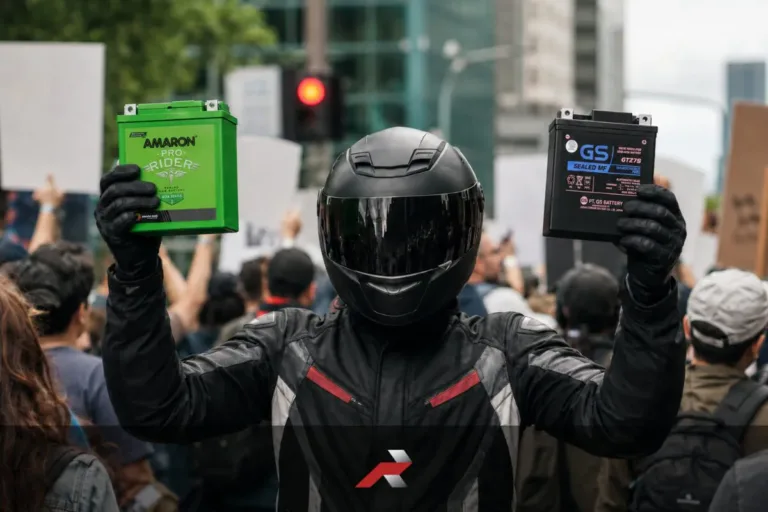
Choosing between Amaron and GS Battery is not just about brand name. Filipino riders should consider fitment, daily starting reliability, shop availability, warranty support, and how the motorcycle is used in traffic, rain, and short-distance rides. This guide compares Amaron vs GS Battery from a practical ownership angle, especially for commuters, weekend riders, and riders who want fewer battery-related problems. Before buying, check the correct battery code, terminal position, stock freshness, and charging system condition. A good battery still needs the right motorcycle setup to perform well.
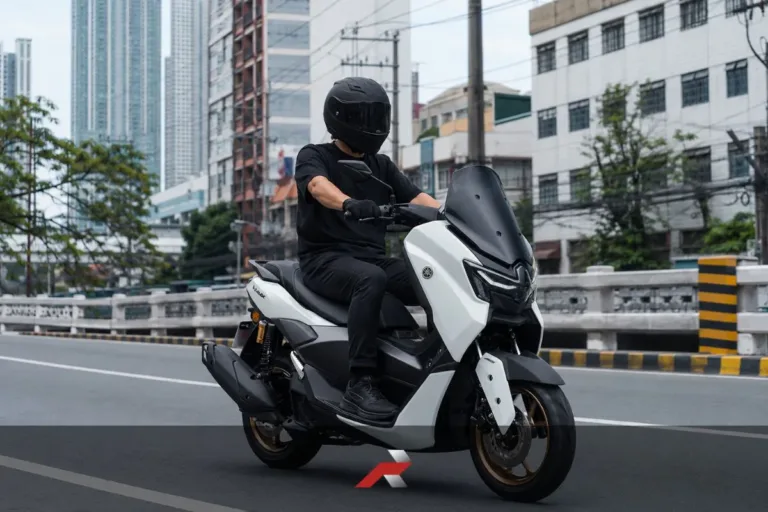
The Yamaha Nmax CVT Maintenance Guide helps Filipino riders understand how the scooter’s automatic transmission system affects takeoff, acceleration, vibration, and daily riding feel. This article explains common CVT concerns, what symptoms to watch for, what parts may need inspection, and why traffic, rain, dust, and stop-and-go commuting can affect CVT performance. It is written for Nmax owners who want practical maintenance awareness before issues become expensive.
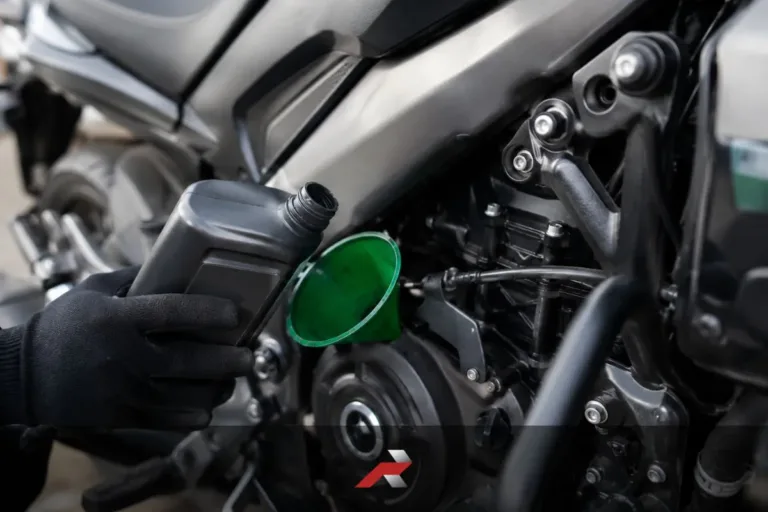
Big bike engine oil should match the motorcycle’s manual, engine design, clutch system, riding style, and Philippine conditions. Riders should not choose oil by brand hype alone. Viscosity, JASO rating, API rating, oil type, and real riding use all matter before PMS. This guide explains the difference between 10W-40 and 10W-50, fully synthetic and semi-synthetic oil, and why wet clutch compatibility matters for many motorcycles. It also helps Filipino riders connect oil selection with practical maintenance decisions.
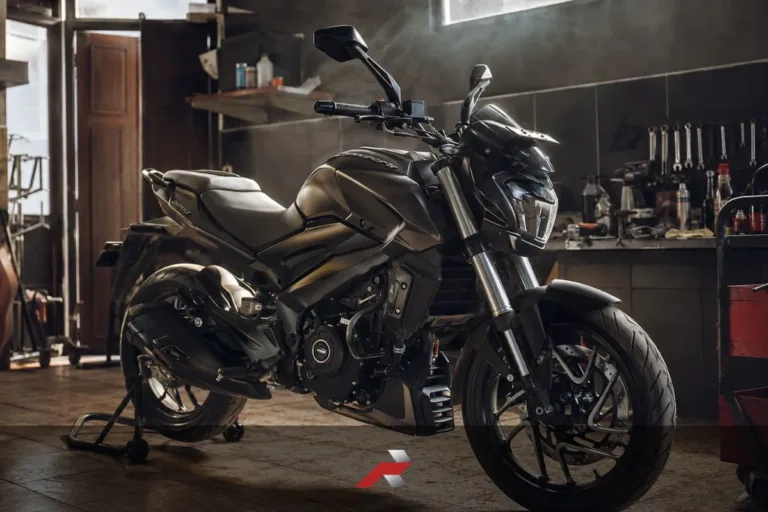
Big bike oil life in the Philippines depends on more than mileage. Traffic, heat, idle time, short trips, rain, and dusty roads can affect how long engine oil stays effective. A motorcycle used daily in Metro Manila traffic may experience more oil stress than a bike used mainly on open expressways. This guide explains why local riding conditions matter, what warning signs riders should watch for, and when an earlier oil change may be the smarter choice.